A think tank producing rigorous, accessible data for advocates, policymakers, & the public.
Clarity and perspective
on state energy policy.


Diagnosis: utilities are overcharging heat pump customers for the grid
Problem: when gas homes get heat pumps, energy bills often go up
Impact: heat pumps become cheapest way to heat most NY homes
Solution: charge heat pump customers fairly, using heat pump rates










energy use

energy bills-56%+20%


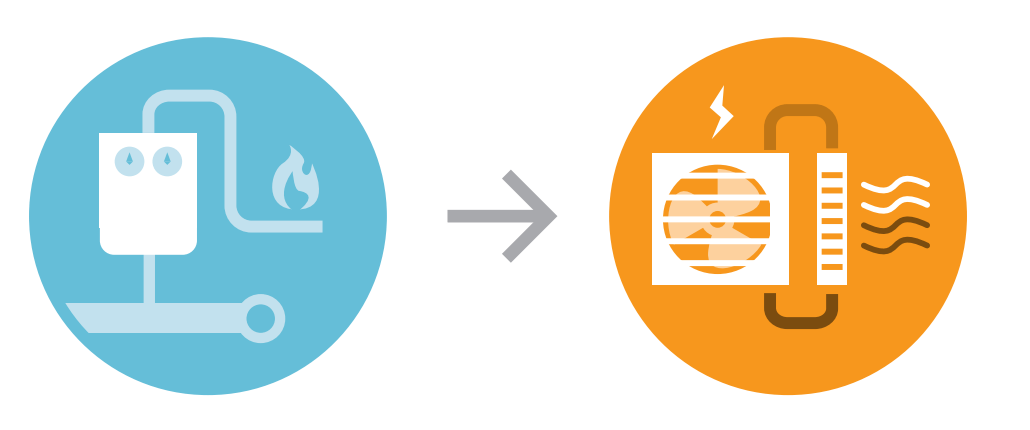
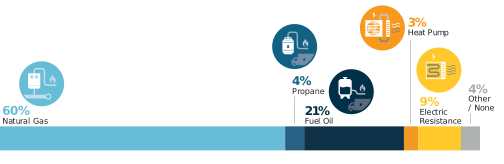
NY households by heating technology


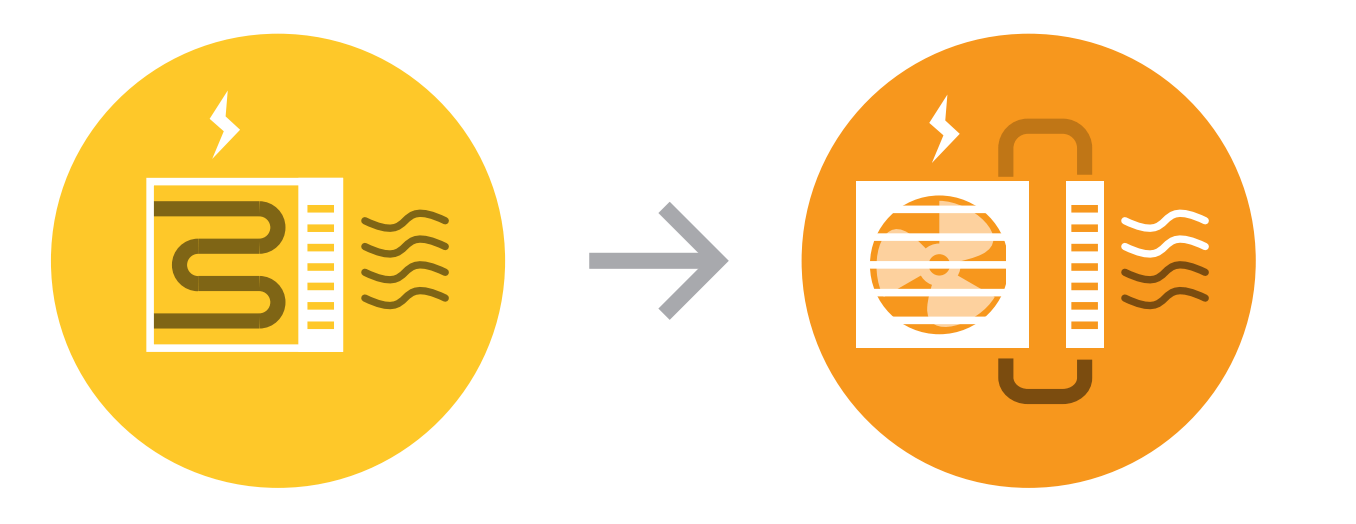
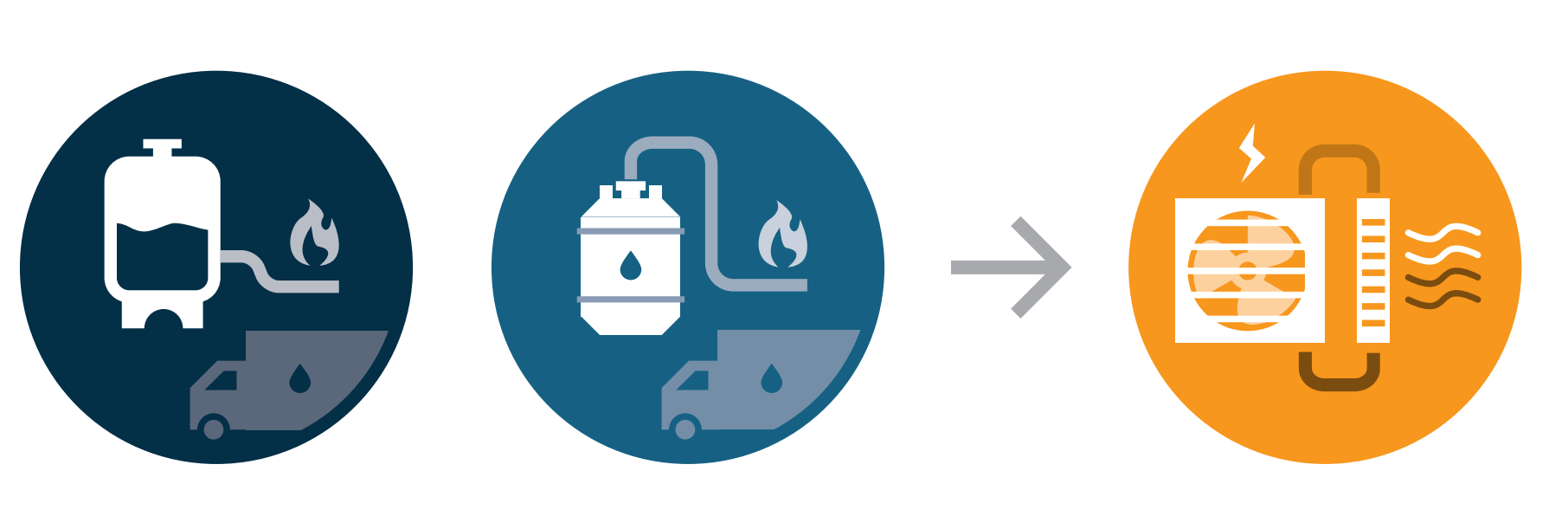
Diagnosis: utilities are overcharging heat pump customers for the grid
Problem: when gas homes get heat pumps, energy bills often go up
Impact: heat pumps become cheapest way to heat most NY homes
Solution: charge heat pump customers fairly, using heat pump rates
energy bills


energy use2.7x2.8x2.2x


overpayment!underpayment!Why are utilities overcharging heat pump customers for electric delivery?
Because they rely on volumetric rates to collect delivery costs.


overpayment!grid upgradeswholesaleenergy costexistingtransmission &distributionmore coolingfrom peak usageDiagnosis: utilities are overcharging heat pump customers for the grid
Problem: when gas homes get heat pumps, energy bills often go up
Impact: heat pumps become cheapest way to heat most NY homes
Solution: charge heat pump customers fairly, using heat pump rates

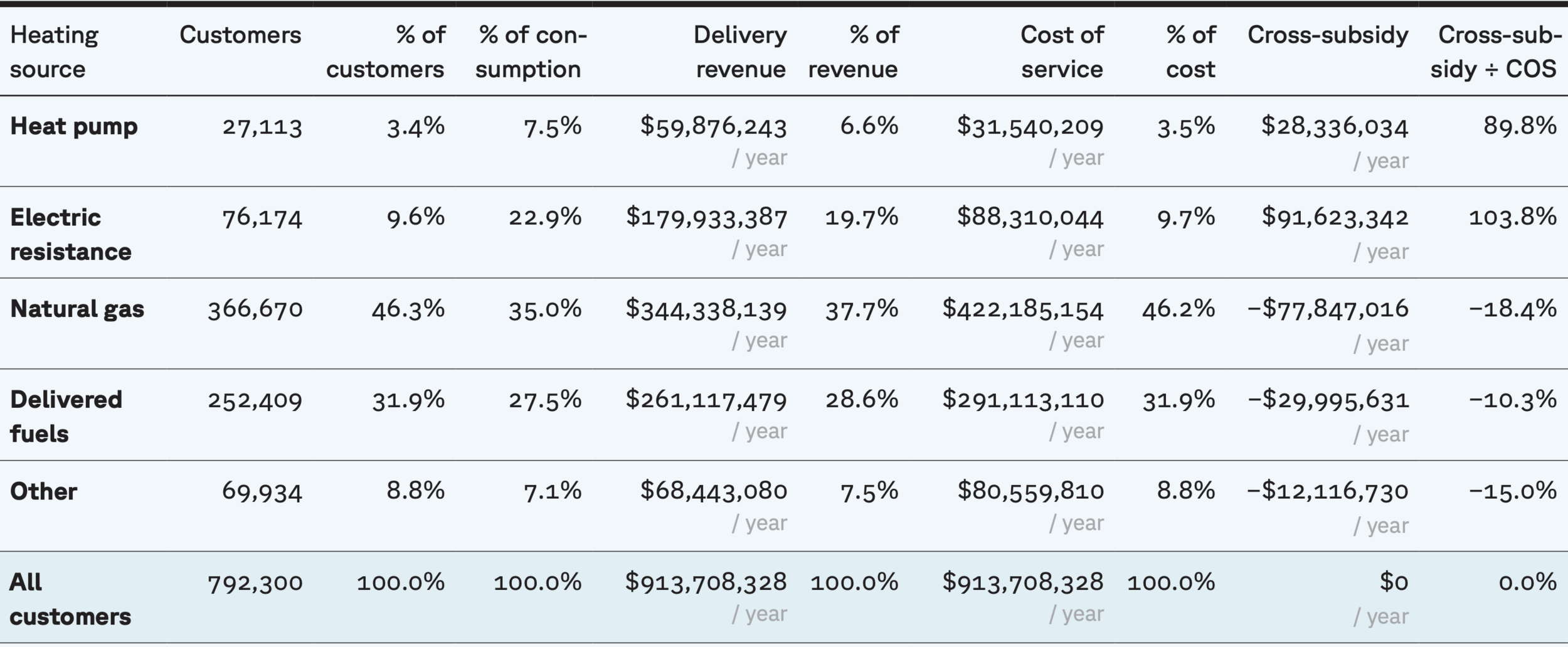
Goal: eliminate $28M overpayment



How to create a HP rate...
1. Cost allocation: measure a utility's true electric delivery cost of service of heat pump customers
2. Rate design: design any rate that collects this amount
With a tech-specific rate, cost allocation is what actually removes the cross-subsidy!
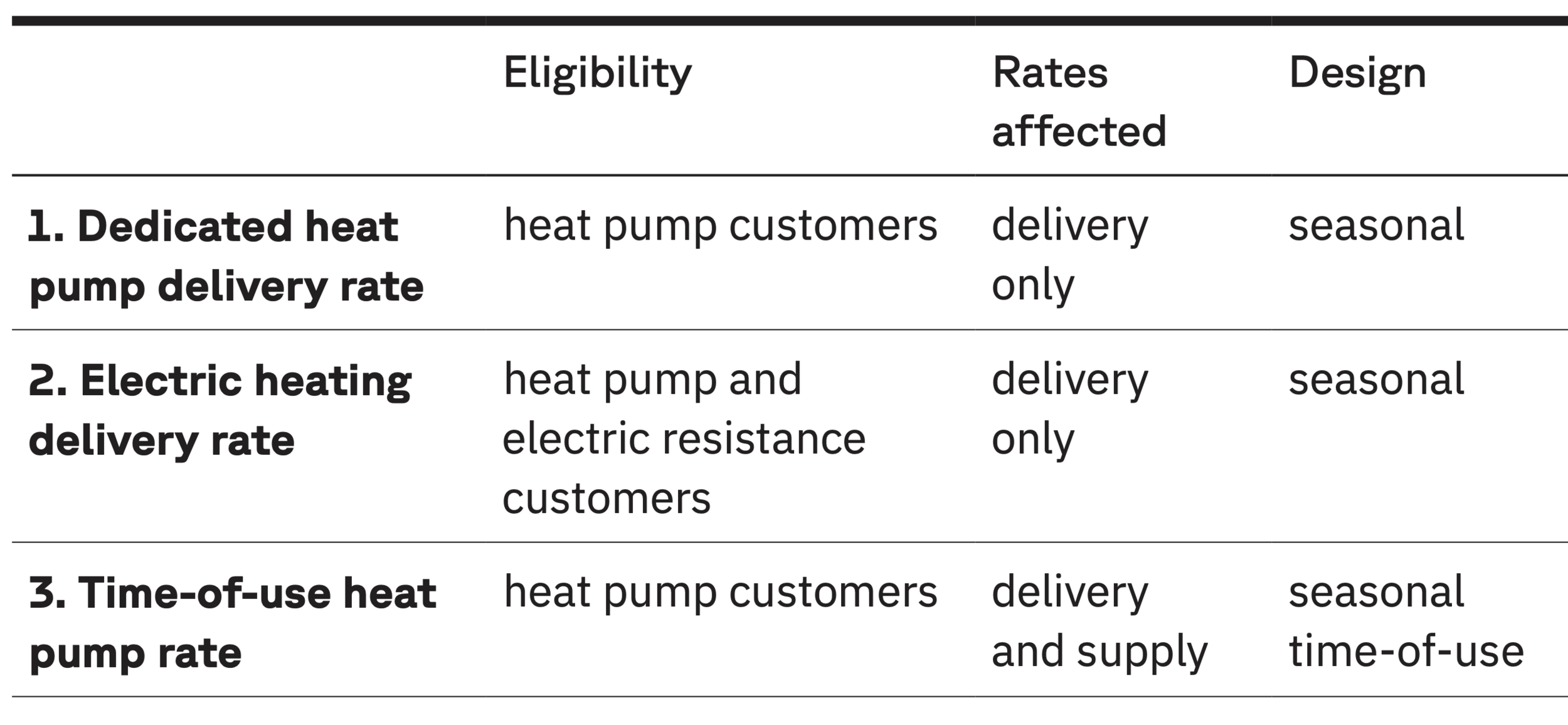
NYSEG HP cost-of-service: $60M → $32MSimplest NYSEG HP rate: 10.5 ¢/kWh46% reduction!→ 5.6 ¢/kWhDedicated heat pump electric delivery rate
Rate Design 1
Stays the same!
Heat pump electric delivery rate


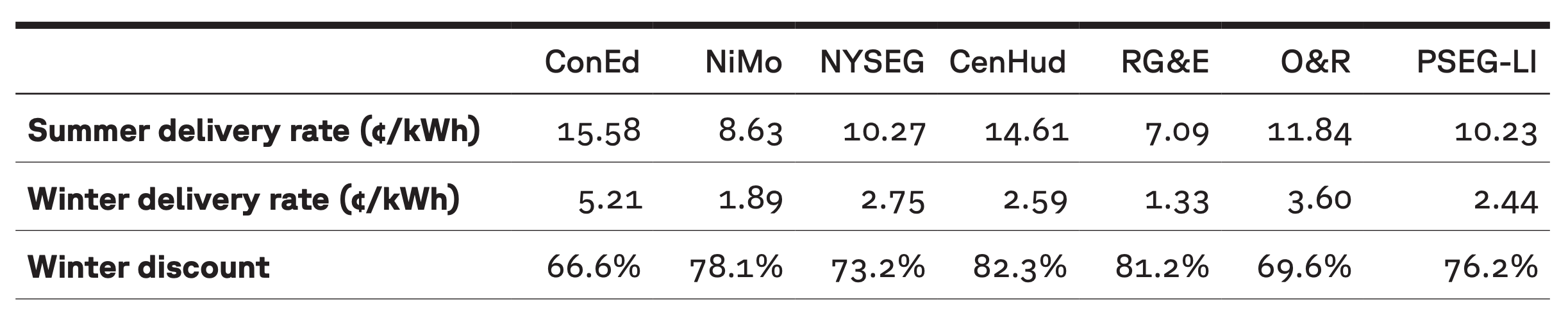
Heat pump rates in report
Diagnosis: utilities are overcharging heat pump customers for the grid
Problem: when gas homes get heat pumps, energy bills often go up
Impact: heat pumps become cheapest way to heat most NY homes
Solution: charge heat pump customers fairly, using heat pump rates
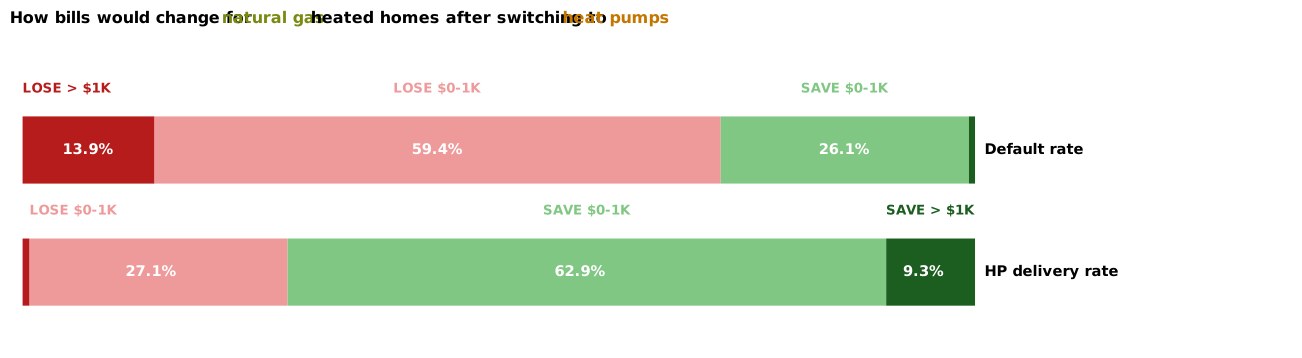
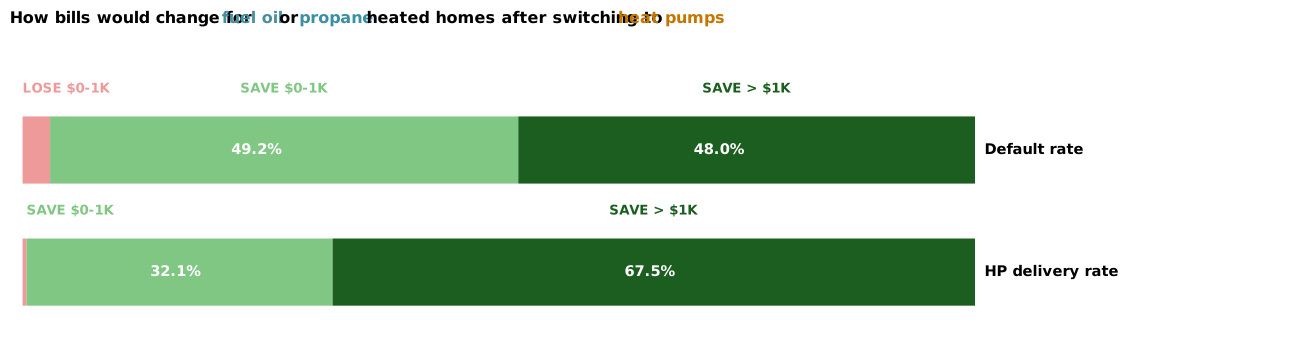
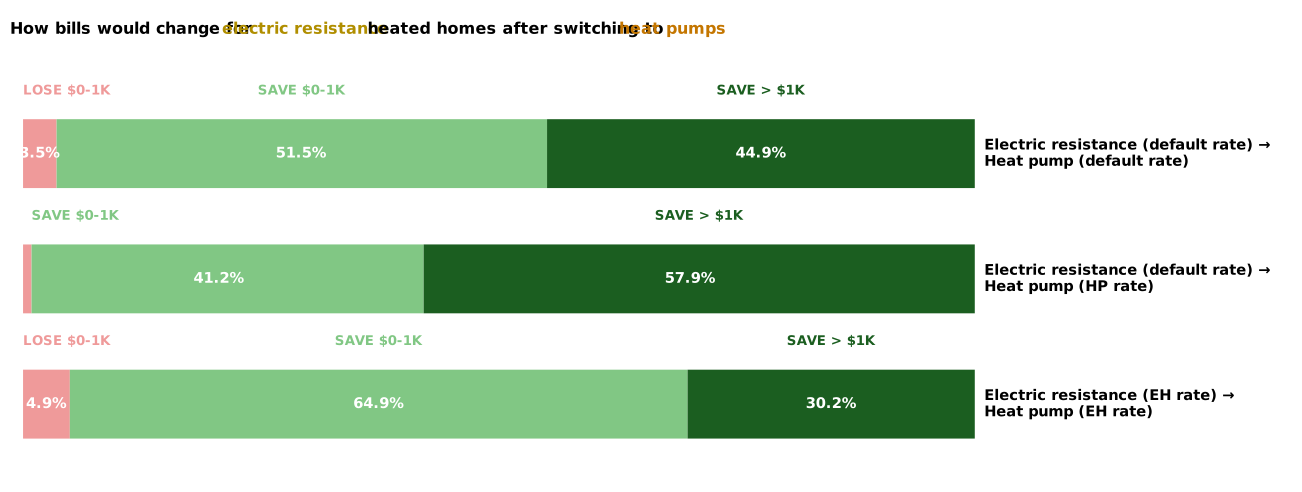
savings increase from $1.3K to $1.7KIf we remove overpayments from heat pump customers, what's the impact on other customers?
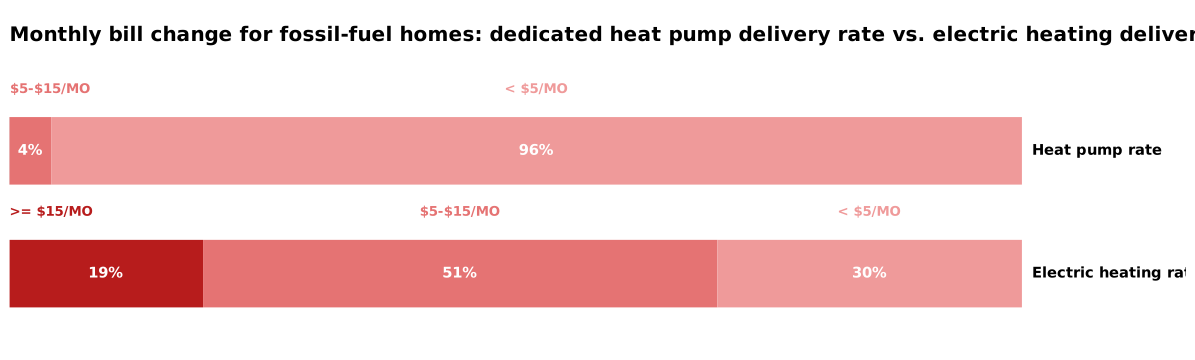
Non-heat pump customer electric bills would go up by an average of $2.00 a month, statewide.
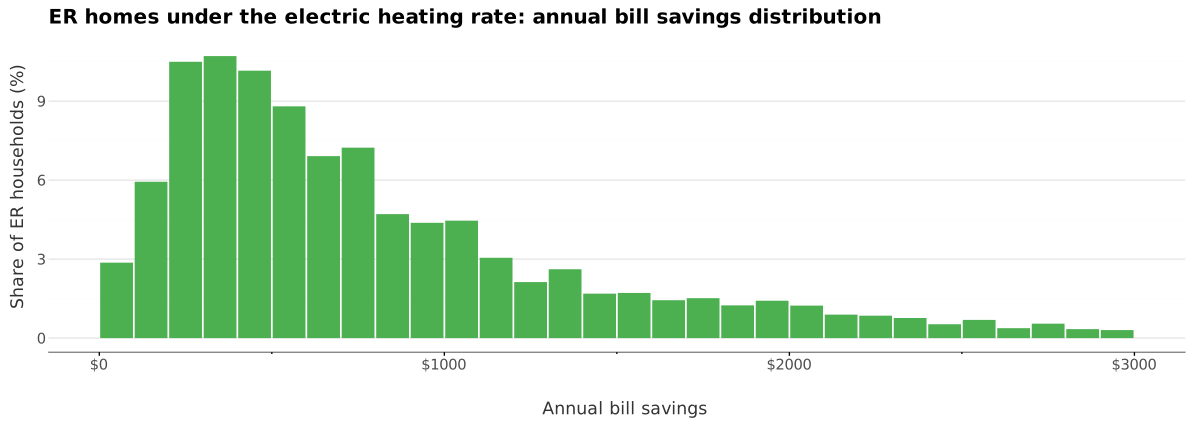
What if we also remove overpayments from electric resistance customers?
Fossil heating customers electric bills would go up by an average of $10.00 a month, statewide.
This is a one-time adjustment.
If new heat pump customers enrolled in the heat pump rate, they wouldn't overpay to begin with.
web switch.box
bsky @switch.box
mail jpv@switch.box

What's the impact on low-to-moderate income customers of installing heat pumps under heat pump rates?
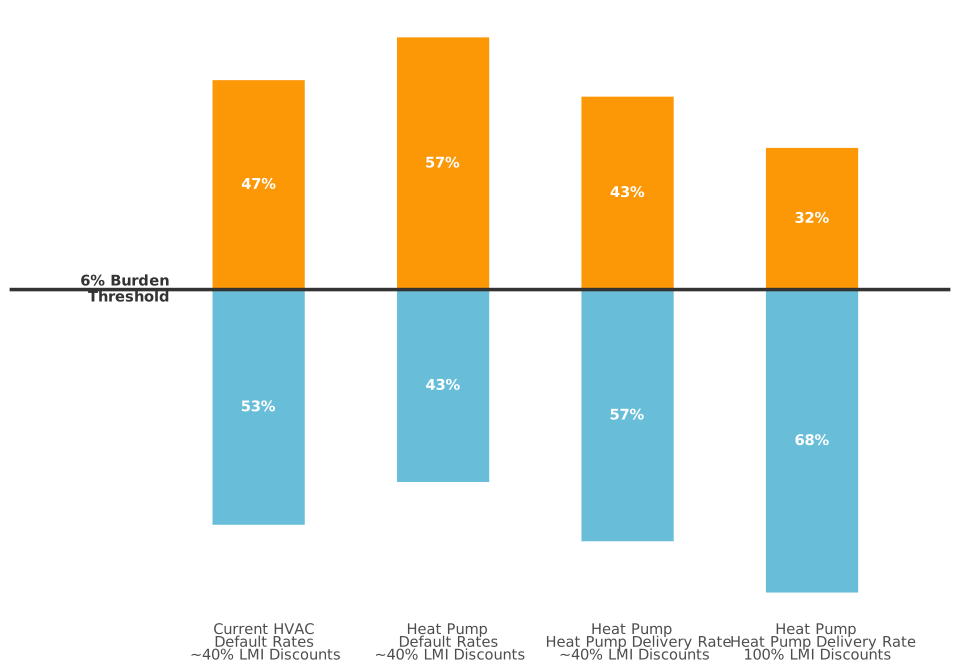
Energy burdens for LMI customers
Could we remove the cross-subsidy by fixing the default rate instead?
Which kinds of households already save when switching from natural gas to heat pumps?
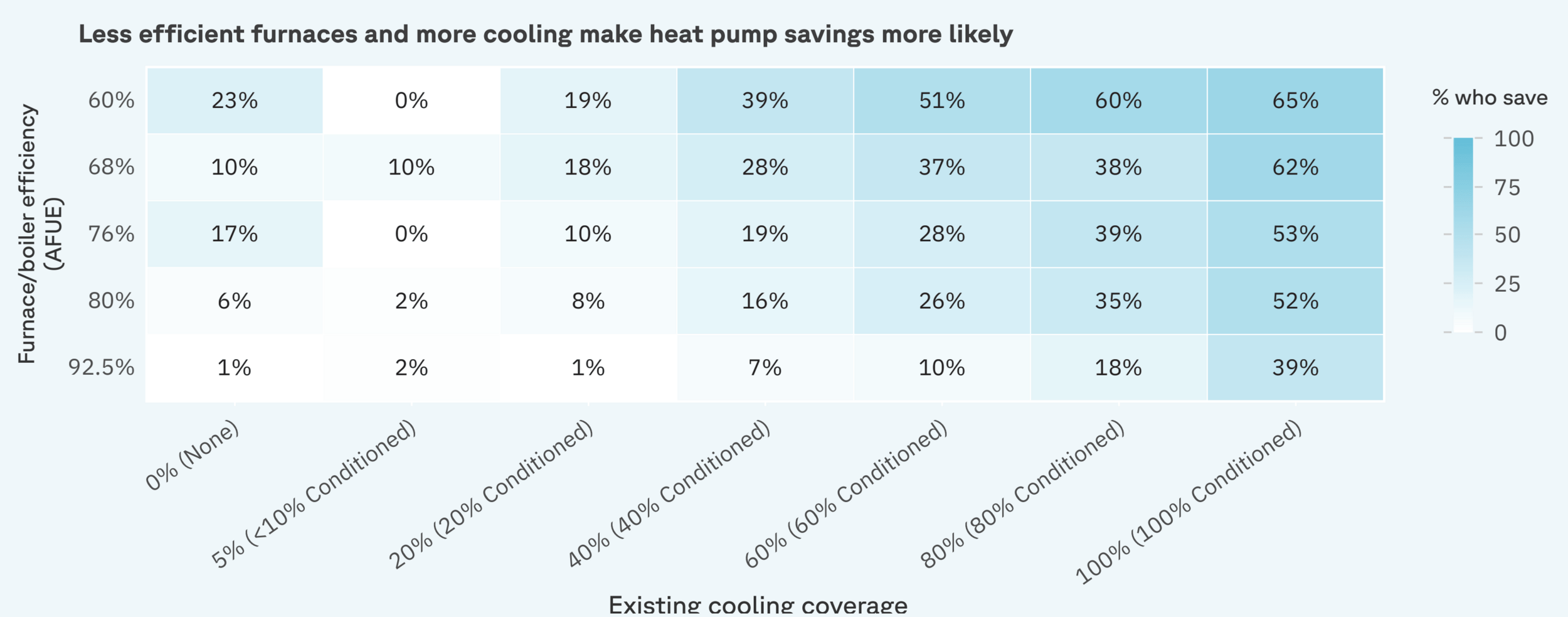
What about the winter peak?
How long will heat pump rates work for?
Time-of-use heat pump rate
Rate Design 3
The seasonal rate removes the cross-subsidy, by collecting electric delivery revenue from heat pump customer equal to their costs
Could make the rate more cost-reflective, so that prices change to reflect the underlying costs?
Fairness
Economic Efficiency
That way, customers have an incentive to load shift...
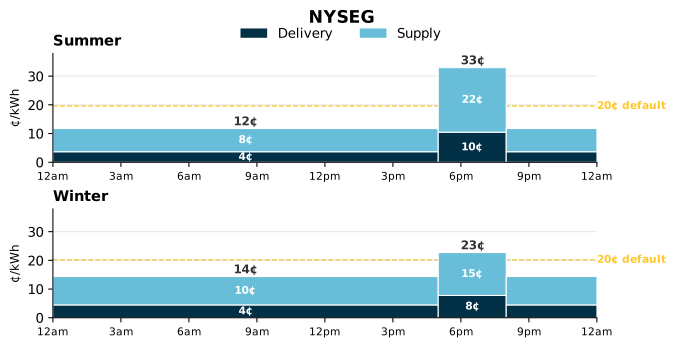
Collect same revenue, higher prices when wholesale energy costs go up.
Collect less revenue, higher prices when usage triggers new transmission & distribution investment.
Dedicated electric heating delivery rate
Rate Design 2